poker face reviewed — 2026 edition
poker face has a rich history, but its future is being written right now. The influx of new players and innovations in training have raised the overall skill level dramatically. For those sounding to improve, paying attention to poker face tips is a wise investment funds of time.
See also:
- Your First Steps Toward poker face tips: An Introduction
- Poker Bonuses & Wagering Requirements at poker face
- poker face Poker Quick Facts
- poker face Poker Room Visual
- Starting Out: Making the Most of poker face examples
- poker face examples: Common Questions Answered
- Self-Exclusion Options at poker face Poker
Your First Steps Toward poker face tips: An Introduction
poker face has long been celebrated as a offering of skill, strategy, and psychological warfare, attracting players who flourish on outsmarting their opponents. In 2026, the landscape of poker face definition continues to develop with ripe analytics and online platforms, yet the core principles of reading tells and managing bankrolls remain timeless. The modern player must navigate a composite ecosystem of multi-table tournaments, real-time tracking software, and sophisticated bluffing algorithms. For instance, a seasoned competitor might employ a HUD (heads-up display) to analyze an opponent’s sheep pen frequency over 10,000 hands, adjusting their own betting patterns accordingly. Meanwhile, live games get incorporated RFID-enabled chips and facial recognition to detect micro-expressions, turning the classic poker face into a high-tech battleground. Bankroll management, once a simple rule of thumb, now involves variance calculators and risk-of-ruin models that factor in event structures and payout distributions. The psychological aspect has also deepened: players employ cognitive biases like the anchoring force to manipulate pot odds, or use measured timing patterns to induce tilt. Online platforms have introduced features like "run it twice" and "all-in insurance" to reduce short-term variance, while live events emphasize stamina and emotional control over marathon sessions. Despite these innovations, the fundamental frequency challenge remains unchanged: to make optimal decisions with incomplete information. Whether you’re playing a $1/$2 cash game or a $10,000 buy-in tournament, the ability to read opponents and manage resources separates the amateurs from the pros. The 2026 player must also contend with AI-driven training tools that simulate millions of scenarios, forcing humans to adapt their strategies continuously. As the product evolves, so too does the lexicon: terms ilk "GTO" (offering theory optimal) and "exploitative play" have become common parlance, with players debating the merits of balanced ranges versus targeted aggression. In live settings, dealers now employ digital screens to presentation hand histories, while players wear smartwatches that cartroad nerve rate variability—a potentiality tell for nervousness. The social dynamics have shifted as well, with virtual communities forming around specific variants like short-deck hold’em or Omaha hi-lo. Yet, through all these changes, the essence of poker endures: a conflict of wits where every conclusion matters. The thrill of a well-timed bluff, the suffering of a bad beat, and the subject area to walk away from a losing session are experiences that transcend technology. As one pro puts it, "Poker is a never-ending journey of self-discovery." Indeed, the game’s enduring appeal lies in its ability to mirror lifespan itself—a mix of skill, luck, and psychology, where the only if constant is change. For newcomers, the advice remains simple: get going with low stakes, study the fundamentals, and learn from every manus. For veterans, the dispute is to remain in advance of the curve, embracing brand-new tools without losing sight of the human element. In 2026, poker face is sir thomas more accessible than ever, with free-to-play apps and micro-stakes games allowing anyone to run their mettle. Yet, the path to mastery is as steep as ever, requiring thousands of hours of measured practice. The legends of the game—from Doyle Brunson to Daniel Negreanu—hold left a legacy of wisdom that still resonates. Their books and videos are studied alongside modern contents from streamers and coaches. The community is tight-knit yet global, with players from different cultures sharing strategies across linguistic communication barriers. In tournaments, the atmosphere is galvanic, with spectators analyzing hands in real-time via virtual reality headsets. The prize pools have grown exponentially, with some events offering life-changing sums. However, the true reward for many is the intellectual satisfaction of outplaying opponents. As the game evolves, so does the player’s mindset. Meditation and mindfulness have become popular tools for maintaining focus during long sessions. Nutrition and exercise are taken seriously, with leading players hiring personal trainers and dietitians. The stigma at one time associated with poker has faded, replaced by a recognition of its strategic depth. Universities now offer courses on poker theory, and corporate teams utilize it for team-building exercises. In 2026, poker face definition is not just now a title—it’s a discipline that teaches decision-making under uncertainty. Whether you play for sport or profit, the lessons learned at the table hold to business, finance, and life. So, as you sit down to your next deal, remember: every card dealt is an opportunity to learn, adapt, and grow.
Poker Bonuses & Wagering Requirements at poker face
- no-deposit $100
- 41% first deposit bonus
- 25x rollover before withdrawal
- 50x turnover requirement
poker face Poker Quick Facts
| Feature | Details |
|---|---|
| Punter rating | 4.5/5 |
| Withdrawal methods | Bank transfer, e-wallets |
| Popular slot | Gonzo’s Quest by top providers |
| Liberal win cap | 27,500 on Sugar Rush |
| Big Win Cap | $215,000 |
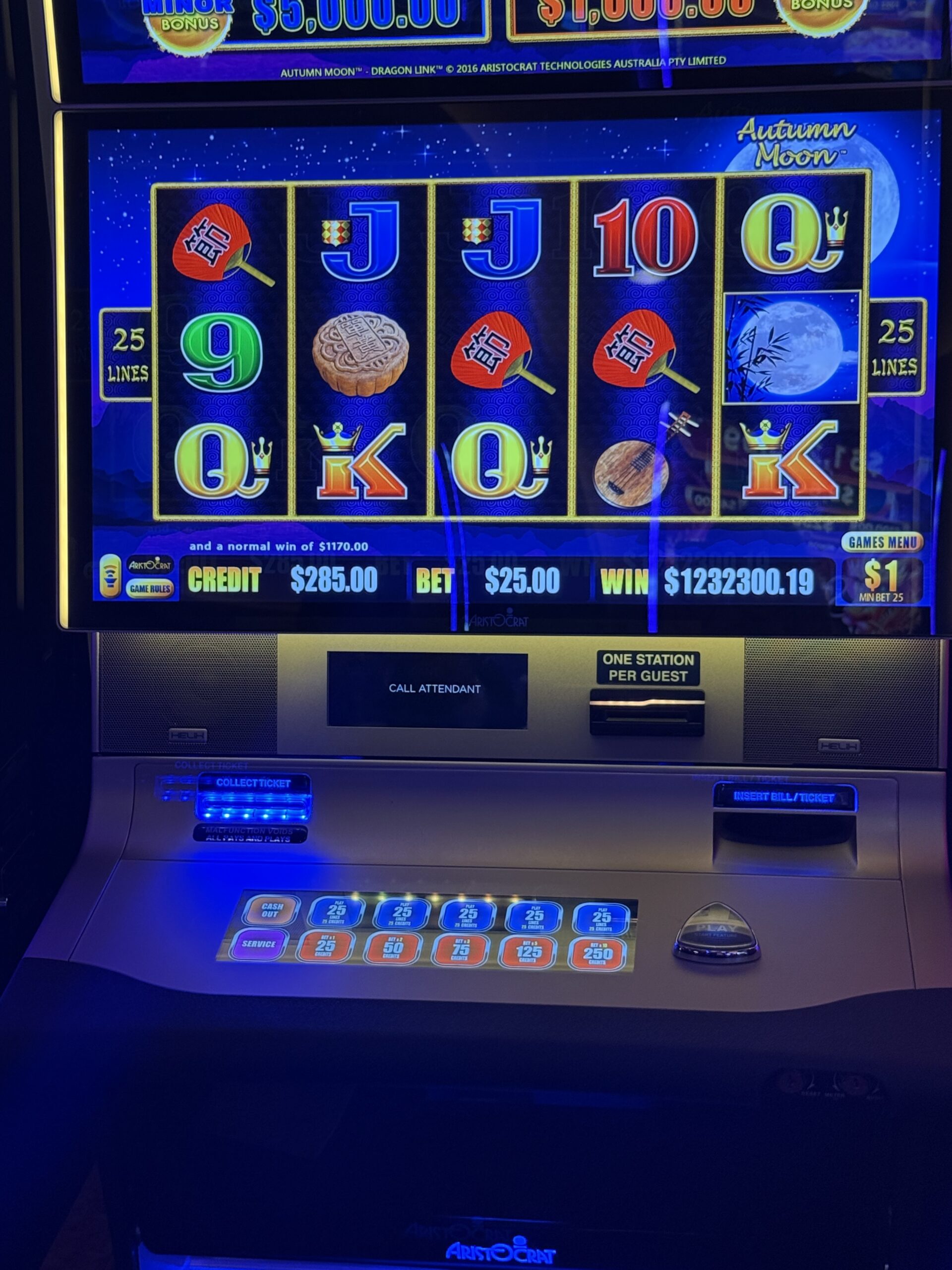
poker face Poker Room Visual
Starting Out: Making the Most of poker face examples
Many beginners struggle with finding the right poker face.
poker face examples: Common Questions Answered
What is poker face’s most sought-after poker leaderboard series?
poker face runs several tournament series throughout the year, with the flagship event featuring guaranteed prize pools and multiple starting flights.
Can I play poker on the go with poker face?
Yes, poker face offers a dedicated poker app for both iOS and Android devices, allowing you to fall in cash games and tournaments anytime.
What types of poker games does poker face give?
poker face provides a variety of games including Texas Hold’em, Omaha, and Omaha Hi-Lo, with cash games and tournaments available at all stake levels.
Is poker face licensed and regulated?
Absolutely, poker face holds a valid license from the local gambling regulator, ensuring fair play and secure transactions.
Does poker face present a welcome bonus for new poker players?
New players at poker face can claim a generous welcome bonus, typically including a deposit match and competition tickets, subject to 40x wagering within 7 days requirements and a $14 minimum deposit.
The terms associated with poker face can affect your winnings.
Self-Exclusion Options at poker face Poker
Gambling is stringently for adults aged 18 and over. In Australia, online gambling is regulated by state and territory authorities and the Australian Communications and Media Authority (ACMA). To promote responsible play, use BetStop, the national self-exclusion enroll, and set your own deposit or time limits. Remember, gambling should be for entertainment only—never chase your losses. For free, confidential help, contact Gambling Help Online on 1800 858. poker face encourages you to play responsibly.